- LDORADO (1st Floor), AC-157 Street No-47, Action Area-1A New Town, Rajarhat,Kol
- +91 8250661801
Our Blog

Our Latest Blogs

Find Relief from Allergy & Asthma Leading Treatment Centre
What Are Allergies? Allergies happen when the body fights harmless things. Dust is harmless. Pollen is harmless. Pet ...
Find Relief from Allergy & Asthma Leading Treatment Centre

What Are Allergies?
Allergies happen when the body fights harmless things. Dust is harmless. Pollen is harmless. Pet fur is harmless. But the body thinks they are dangerous. So it attacks them. This attack causes sneezing. It causes itching. It causes other problems too. If you’re experiencing these symptoms, seeking allergy treatment in Golpark Kolkata can help manage and relieve them effectively.
What Is Asthma?
Asthma affects the lungs. Airways get narrow. Breathing becomes hard. Chest feels tight. Wheezing sounds happen. Many times, allergies cause asthma. Finding an allergy specialist in Golpark helps fix both problems.
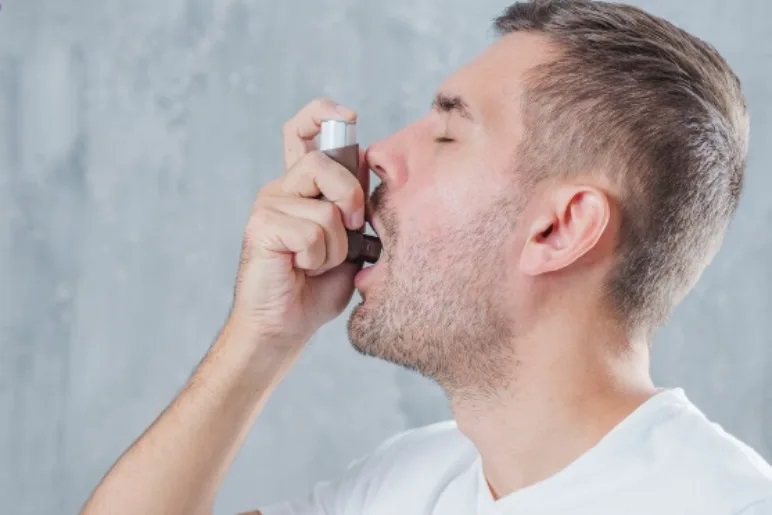
Tips to Prevent Allergy-Induced Asthma Attacks: All You Need To Know
Breathing should feel easy, but for people with allergy asthma, it can sometimes become difficult. Tightness in the ches...
Tips to Prevent Allergy-Induced Asthma Attacks: All You Need To Know

Breathing should feel easy, but for people with allergy asthma, it can sometimes become difficult. Tightness in the chest, coughing, wheezing, or shortness of breath may be signs of allergy-induced asthma. The good news is that with the right care, awareness, and daily habits, asthma can be well controlled.
In this blog, we’ll explain tips to prevent allergy-induced asthma attacks, answer common questions like “Is allergic asthma dangerous?â€, discuss allergy-induced asthma treatment, and share how to prevent asthma attacks at night.
What Is Allergy-Induced Asthma?
Allergy-induced asthma happens when certain airborne substances, called allergens, trigger asthma symptoms. These allergens can irritate the airways and make breathing difficult.
Common asthma triggers include:
Dust and dust mites
Pollen from trees and flowers
Pet hair and dander
Mold in damp areas
Smoke and strong fragrances
When these allergens enter the body, the airways become inflamed, leading to coughing, wheezing, chest tightness, and breathlessness.
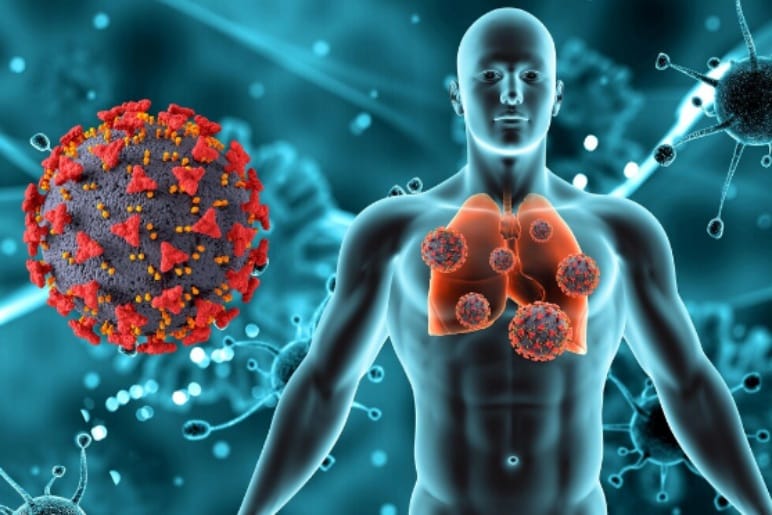
What Is a Pulmonary Function Test for Asthma? Everything You Need to Know
Breathing should feel easy—but for people with asthma, it often doesn’t. If you experience wheezing, chest...
What Is a Pulmonary Function Test for Asthma? Everything You Need to Know

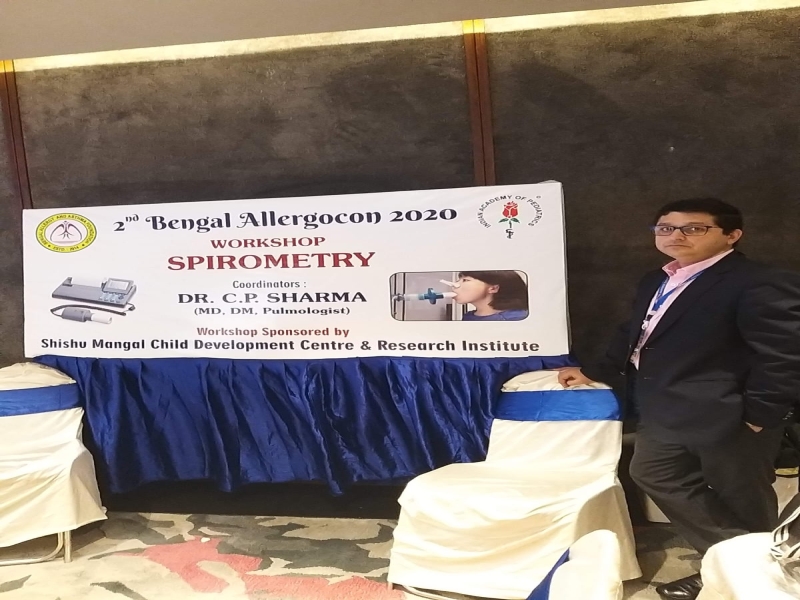
Breathing should feel easy—but for people with asthma, it often doesn’t. If you experience wheezing, chest tightness, coughing, or shortness of breath, your doctor may recommend a pulmonary function test for asthma to understand how well your lungs are working.
At Allergy and Asthma, we believe that understanding your condition is the first step toward better breathing. This guide explains pulmonary function testing in simple terms, so you know exactly what to expect and why it matters. A pulmonary function test (PFT) is a group of breathing tests that measure how well your lungs take in air, hold it, and push it out. When used for asthma, the test helps doctors identify airway narrowing and breathing limitations.
The pulmonary function test for asthma is:
Non-invasive
Painless
Quick and safe
Suitable for adults and children
You simply breathe into a machine that records how your lungs are performing.
Choose Category

















Login Please
WELCOME TO !
Contact Us